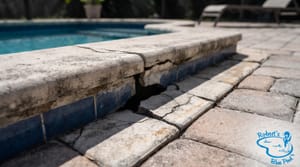
You feel the plaster scrape your heel on the steps in July. You call for a resurfacing quote that week, and the earliest start date anyone offers falls in October. That sounds like a brush-off. The date comes from the rain gauge and from the ground under your yard.
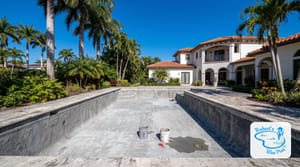
Resurfacing, retiling and most finish work share one requirement: an empty pool that stays dry long enough for the new surface to set. In Miami-Dade that window runs November through April. Two physical facts set it: the rain and the water table.
Miami Gets Most of Its Rain From May Through October
The National Weather Service's 1991 to 2020 normals for Miami International Airport put about 67 inches of rain on the city in an average year. About 52 of those inches fall between May and October. June and September each average more than 10 inches. January averages about 1.6.
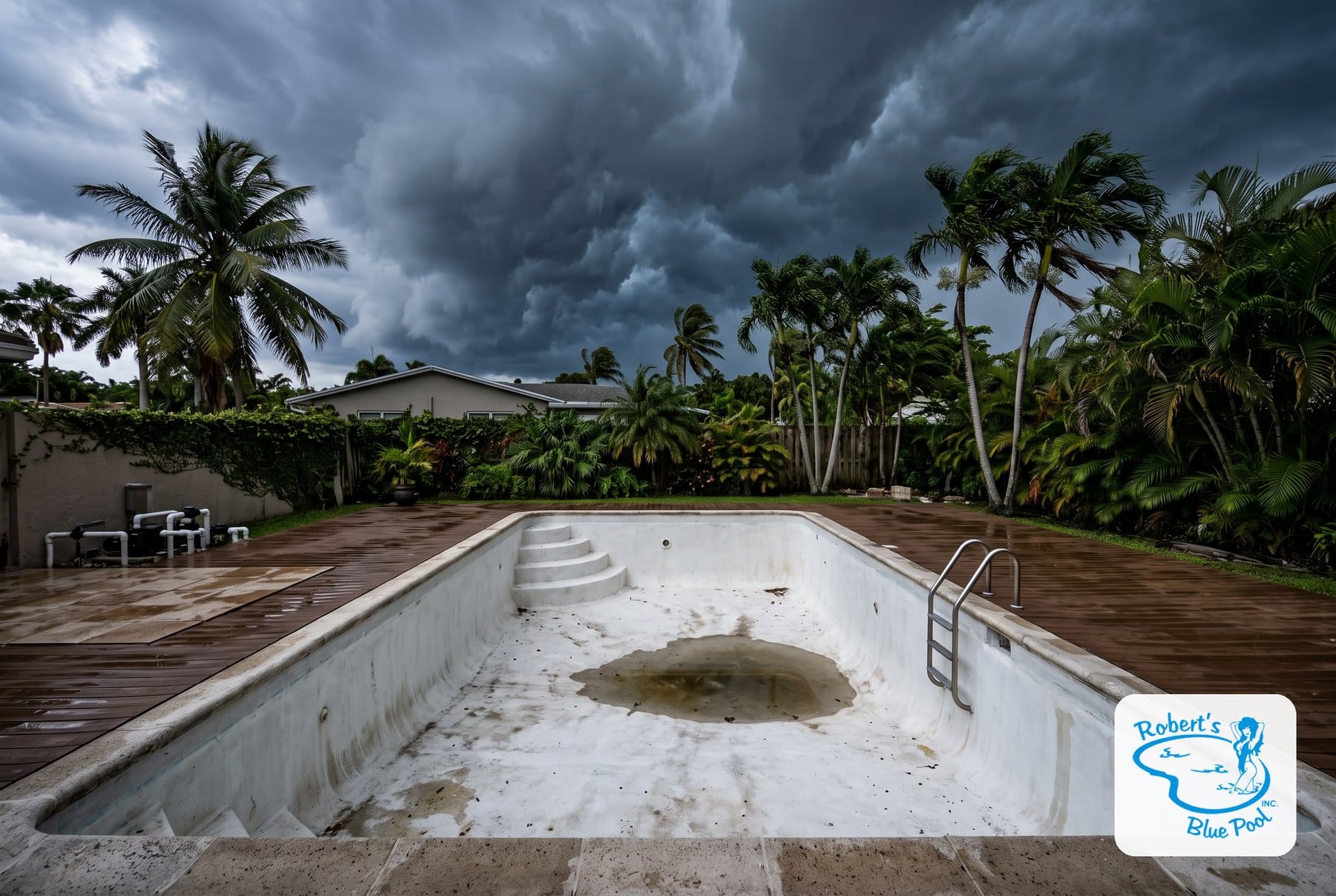
Rain on a fresh finish causes damage you can see for years. The National Plasterers Council's start-up procedure warns that water sitting on the surface before the fill can leave stains, and that the finish must not dry out before it goes under water. A crew racing an August storm at 3 p.m. works against both rules at once.
A Drained Pool Sits in the Biscayne Aquifer
Most of Miami-Dade sits on the Biscayne Aquifer, and the U.S. Geological Survey puts its top at or near the land surface across much of the county. The water table moves in direct response to rain and swings 2 to 8 feet in a year. In one USGS record, 11 inches of rain in four hours raised the water in a Miami well by 4.5 feet within a few hours.
Full of water, your pool's weight holds the shell in the ground. Drained, it behaves like a hull in that groundwater, held down by the hydrostatic relief valve in the main drain and the crew's read of the forecast. Draining is a job we tell homeowners to leave to a professional, and the aquifer is the reason.
Miami-Dade Permit Rules for Pool Resurfacing
Miami-Dade's Department of Regulatory and Economic Resources lists pool resurfacing that does not affect any electrical connections as exempt from a building permit for single-family homes, duplexes, townhouses and condo units. Read the fine print. That section caps the total of all exempt work at $5,000 in any 12-month period. Ask whoever quotes your job whether the total clears that cap.
The exemption list covers unincorporated Miami-Dade. A pool in Coral Gables, Key Biscayne or Pinecrest answers to that municipality's building department. And the county requires an electrical permit for any repair or replacement of electrical equipment on an existing pool, so a new light or a rewired pump pulls the job into permitting.
When a permit applies, the county says initial plan review takes between 24 hours and 10 business days, depending on the permit and the project. Each round of corrections adds another 24 hours to 10 business days. Two correction rounds on an application filed in late October can push a start date into December.
What to Book First When the Dry Season Is Short
Six dry months sound generous until you stack the jobs. Put them in this order:
- Repairs that have to come first. Structural cracks and plumbing leaks get fixed before a new finish goes on, or the finish fails over them. Our guide to repair versus renovation covers how to tell them apart.
- Permit paperwork. Heaters and anything electrical go through county review. File those applications in the fall and let the review run while you wait for dry weather.
- Anything below the waterline. Resurfacing and retiling need an empty shell and dry days. December through March is the driest stretch, with monthly rain normals between about 1.6 and 2.5 inches.
If your plaster is approaching year seven, this dry season is the one to use. White marcite lasts 5 to 10 years in South Florida, and PebbleTec rates its pebble finishes at 20 years or more with balanced water. Our post on how often to resurface lists the signs that a finish is done.
Plan the 28 days after the fill, too. The National Plasterers Council says 86 percent of the cement in new plaster cures in the first 28 days, and its start-up procedure calls for brushing twice a day and no salt during that stretch. A finish applied in January clears start-up well before the May rains build.
Book the Walkthrough Before the Rain Stops
Robert's Blue Pools has scheduled renovation work around Miami-Dade's rain and groundwater since 2007. An October walkthrough gets you a written scope, a permit answer and a slot on the dry-season calendar. Our renovation walkthrough covers each step once work begins.
Want your resurfacing or retiling done in the dry season? Call Robert's Blue Pools at (305) 762-7665 to set up a walkthrough.