What Miami-Dade Pool Owners Need to Know About Local Regulations
Owning a pool in Miami-Dade County comes with specific legal requirements that every residential and commercial property owner should understand. Robert's Blue Pools has navigated Miami-Dade's pool regulations for over 18 years, helping homeowners, HOAs, and commercial property managers stay compliant while keeping their pools safe and operational.
This guide covers the essential Miami-Dade County pool regulations, permitting requirements, and safety standards that affect pool owners in 2026.
Miami-Dade County Pool Barrier and Safety Requirements
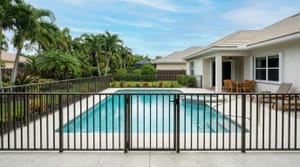
Miami-Dade County enforces strict pool barrier requirements to prevent unauthorized access, particularly by young children. These regulations apply to all residential pools, spas, and hot tubs in unincorporated Miami-Dade and most incorporated municipalities.
Pool Barrier Requirements:
- All residential pools must be completely enclosed by a barrier at least 48 inches high
- Barrier openings must not allow passage of a 4-inch sphere (to prevent children from squeezing through)
- Gates must be self-closing and self-latching, with latches placed at least 54 inches above ground on the exterior side
- If the home wall serves as part of the barrier, doors providing direct access to the pool must have self-closing devices and alarms
- Pool covers may serve as additional safety layers but do not replace barrier requirements in Miami-Dade County
Robert's Blue Pools can assess your current barrier compliance during any service visit and recommend solutions if your pool enclosure needs updating to meet current Miami-Dade standards.
Building Permits for Pool Construction and Renovation in Miami-Dade
Miami-Dade County requires building permits for new pool construction, major renovations, and certain equipment installations. Understanding when a permit is required can save you from costly fines and potential project delays.
Projects that typically require permits in Miami-Dade:
- New pool and spa construction
- Structural modifications to existing pools (changing the pool shell shape or depth)
- New pool barrier or fence installation
- Major electrical work including new pool lighting circuits, pump electrical connections, and automation system wiring
- Plumbing changes that modify the existing pool circulation system
- Pool heater installations (gas or electric)
- Adding water features that require structural or plumbing modifications
Projects that generally do not require permits:
- Pool resurfacing with Diamond Brite, Pebble Tec, or similar finishes (cosmetic work only)
- Replacing existing equipment with equivalent equipment (like-for-like pump or filter replacement)
- Routine maintenance and chemical treatment
- Replacing pool tile or coping (cosmetic repairs)
Robert's Blue Pools handles all necessary permitting for renovation projects, coordinating with the Miami-Dade County Department of Regulatory and Economic Resources to ensure your project meets all requirements.
Pool Contractor Licensing in Miami-Dade County
Florida requires pool contractors to hold a state license for construction and remodeling work. Additionally, Miami-Dade County requires pool cleaning professionals to register with the county.
What to verify before hiring a pool company in Miami-Dade:
- Florida State Contractor License (CPC license for pool and spa contractors)
- Miami-Dade County Swimming Pool Cleaner Registration (for maintenance companies)
- Active general liability insurance with minimum coverage of $50,000 per occurrence for bodily injury and $25,000 for property damage
- Workers' compensation insurance if the company has employees
Robert's Blue Pools maintains all required state licensing, county registration, and insurance coverage for both residential and commercial pool work throughout Miami-Dade County.
Commercial Pool Regulations in Miami-Dade
Commercial pools — including those at hotels, condominiums, HOA communities, and public facilities — face additional regulatory requirements beyond what residential pools must meet.
Key commercial pool requirements in Miami-Dade:
- Annual health department inspections by the Florida Department of Health in Miami-Dade County
- Certified pool operator on staff or on contract for ongoing management
- Daily water quality testing logs maintained and available for inspection
- Specific chemical parameter ranges that must be maintained (free chlorine levels between 1.0-10.0 ppm, pH between 7.2-7.8)
- ADA-compliant access features for public and semi-public pools
- Proper drain covers compliant with the Virginia Graeme Baker Pool and Spa Safety Act
- Emergency equipment including rescue devices and first aid supplies
Robert's Blue Pools provides commercial pool management services that ensure full regulatory compliance for hotels, condominiums, HOAs, and hospitality properties throughout Miami-Dade County.
Hurricane Season Pool Regulations
While Miami-Dade County does not have specific hurricane pool regulations, pool owners should be aware that improperly secured pool equipment and furniture can become dangerous projectiles during hurricanes, potentially creating liability issues.
Robert's Blue Pools offers pre-hurricane pool preparation services that secure equipment, balance chemicals, and protect your investment. Read our complete Hurricane Season Pool Preparation Guide for detailed recommendations.
Water Conservation and Pool Fill Regulations
Miami-Dade County's water supply is managed by the South Florida Water Management District, which may impose water use restrictions during drought conditions. Pool owners should be aware that restrictions can affect pool filling and topping off during certain periods.
During normal conditions, there are no restrictions on filling residential pools. However, during declared water shortages, restrictions may apply to pool filling schedules. Robert's Blue Pools monitors these conditions and advises our maintenance clients when restrictions are in effect.
Frequently Asked Questions About Miami-Dade Pool Regulations
Do I need a permit to resurface my pool in Miami-Dade?
Generally, no. Pool resurfacing is considered cosmetic maintenance and does not require a building permit in Miami-Dade County. However, if the resurfacing project includes structural repairs, plumbing modifications, or electrical work, those components may require permits. Robert's Blue Pools will advise you during your renovation consultation.
How often are commercial pools inspected in Miami-Dade?
The Florida Department of Health in Miami-Dade County conducts inspections of public and semi-public pools at least once per year. However, inspections can occur more frequently if complaints are filed or if previous inspections identified violations.
Can I drain my pool into the street or storm drain in Miami-Dade?
Miami-Dade County regulates pool water discharge. Chlorinated pool water should not be discharged directly into storm drains, waterways, or Biscayne Bay. Pool water should be dechlorinated before discharge or directed to the sanitary sewer system where permitted. Robert's Blue Pools follows proper discharge procedures during all draining operations.
What happens if my pool doesn't meet barrier requirements?
Non-compliant pool barriers can result in code enforcement violations, fines, and potential liability if an incident occurs. If you're selling your home, barrier compliance will be checked during the inspection process. Robert's Blue Pools can assess your barrier compliance and recommend solutions.
Need Help Navigating Miami-Dade Pool Regulations?
Pool regulations can be complex, especially for commercial properties or renovation projects that span multiple permit categories. Robert's Blue Pools has 18+ years of experience working within Miami-Dade's regulatory framework and can guide you through the process.
Contact Robert's Blue Pools at (305) 762-7665 to discuss your project requirements, schedule a compliance assessment, or get answers to specific regulatory questions about your Miami-Dade pool.
Robert's Blue Pools — Miami-Dade's family-owned pool specialists since 2007. Licensed and insured for residential and commercial pool services throughout Miami-Dade County.
Disclaimer: This guide provides general information about Miami-Dade County pool regulations as understood by Robert's Blue Pools based on 18+ years of local experience. Regulations may change, and specific requirements can vary by municipality within Miami-Dade County. For the most current regulatory information, consult the Miami-Dade County Department of Regulatory and Economic Resources or the Florida Department of Health in Miami-Dade County. Robert's Blue Pools does not provide legal advice.